
Guide
Live transfers vs leads vs inbound calls: what each one is and how to choose
By the LeadsRefer team · Updated October 8, 2026 · 10 min read
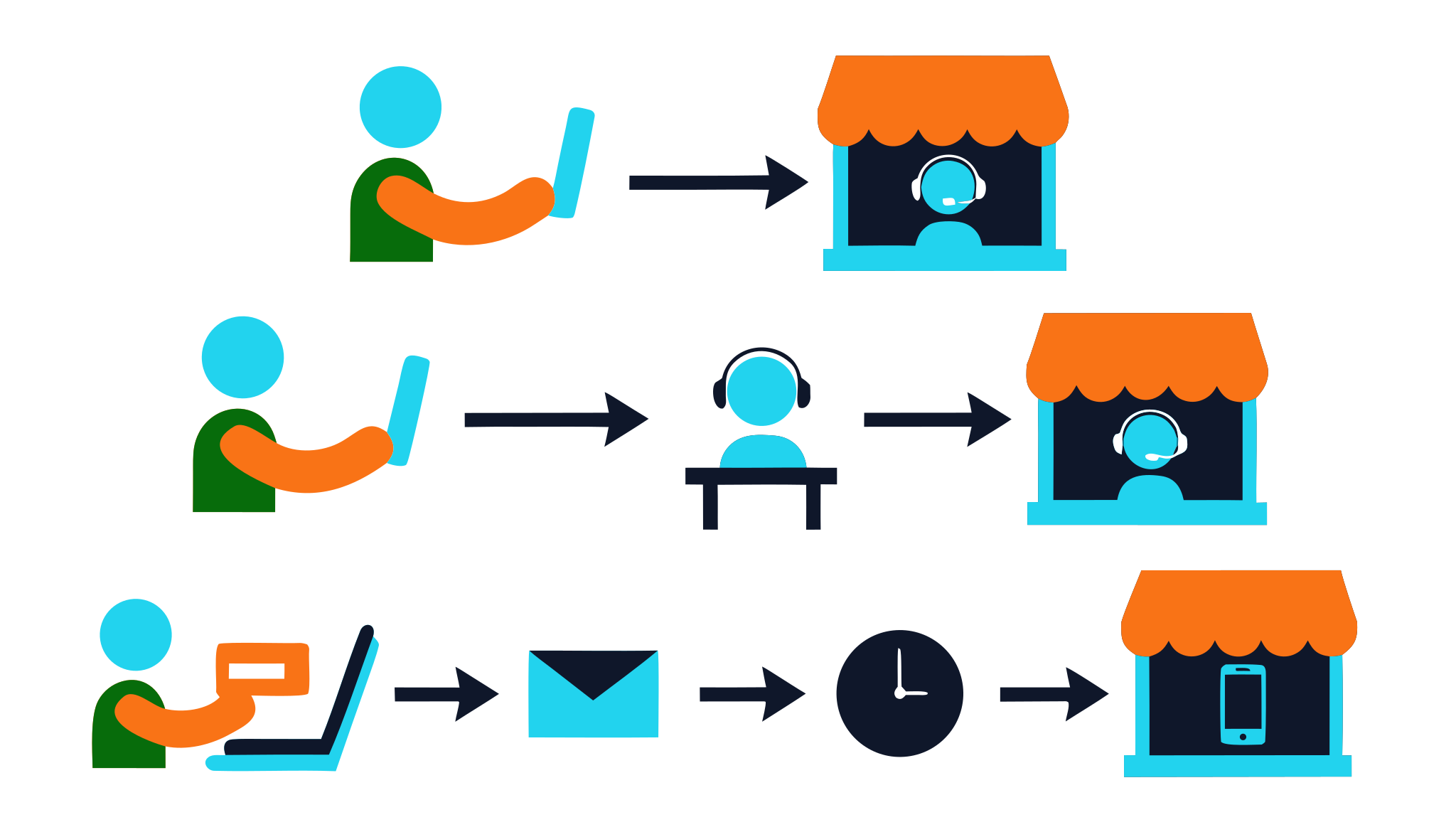
Three phrases get used almost interchangeably in lead generation: inbound calls, live transfers and leads. They are not the same product. In each, a business pays for a customer, but the customer arrives in a different way, at a different moment and with a different legal footprint, and that changes what it is worth, how it is priced and who is allowed to sell it.
This guide defines each one, compares them side by side, explains where consent and compliance differ, and gives a way to choose between them whether you are selling traffic or buying it. It describes how the models work and promises no results. If pay per call itself is new to you, start with what pay per call is.
The short definitions
- An inbound call is a phone call that a consumer places themselves, to a number they saw in an ad, a search result or a web page. The consumer starts the contact and reaches the business directly.
- A live transfer is a call that a third party, usually a call center, handles first. An agent speaks with the consumer, qualifies them, and then hands the line to the buyer while the consumer is still on it.
- A lead is information. The consumer fills in a form, the details are delivered to the buyer, and the buyer contacts the person afterwards, by phone, text or email.
The first two put a live person on the phone with the buyer. The third does not. Most of what follows comes from that difference.
Inbound calls
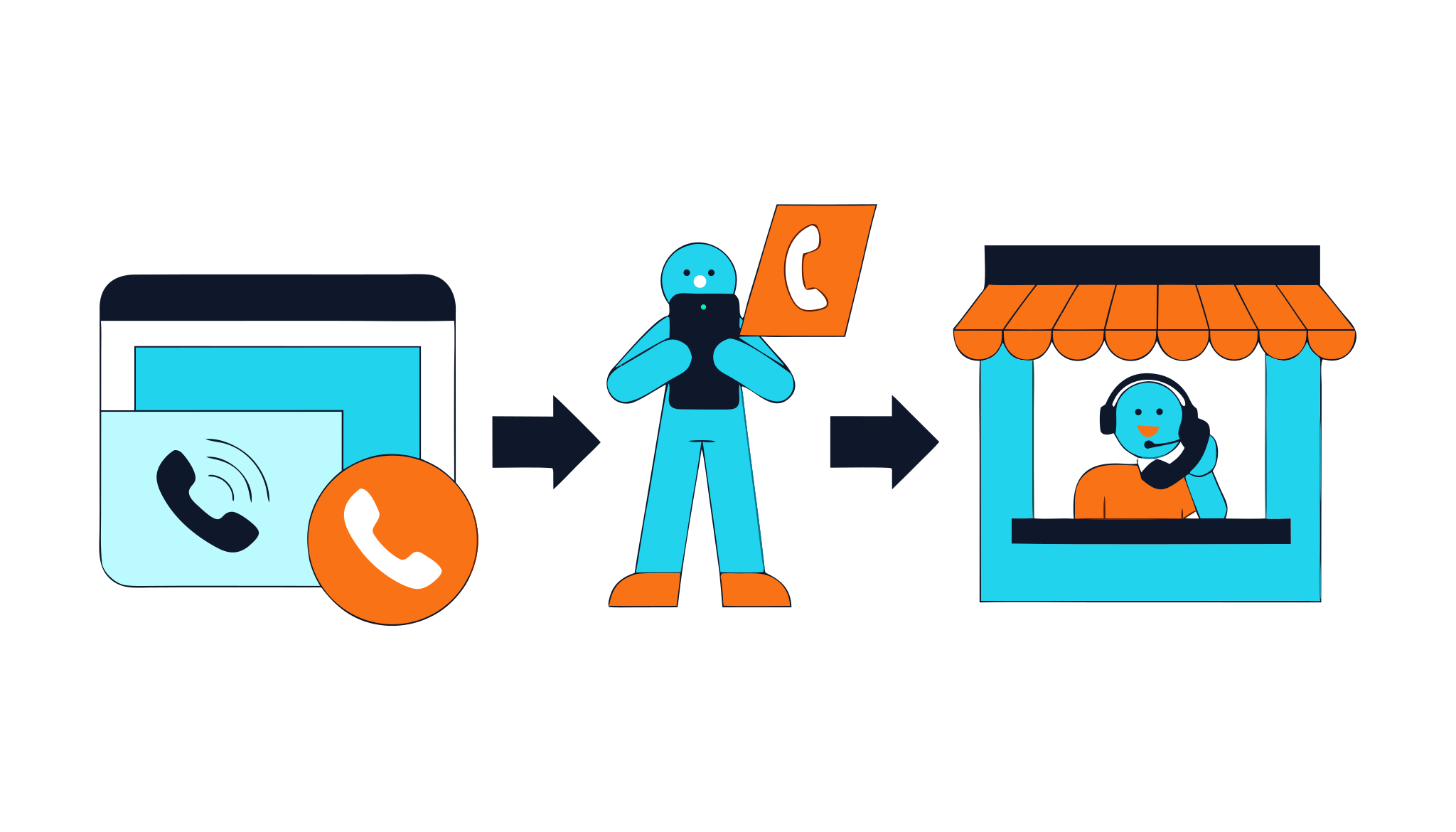
The consumer chose to call, using a number from an ad or a page they were already reading. That is a strong signal of intent: they want to speak to someone now.
- What the buyer pays for: a call that meets agreed rules, such as a minimum length and the right location.
- Where it works: urgent or high-value decisions, such as home repair, insurance, and legal or financial help.
- What the seller controls: where the number appears and who sees it, but not the conversation itself.
- Main risk: calls that do not qualify, calls that go unanswered, and duplicate or incentivized callers.
Because the consumer started the contact, the rules on contacting people are the lightest of the three. The seller still has to run honest ads and, on regulated offers, use only the claims the advertiser has approved.
Live transfers
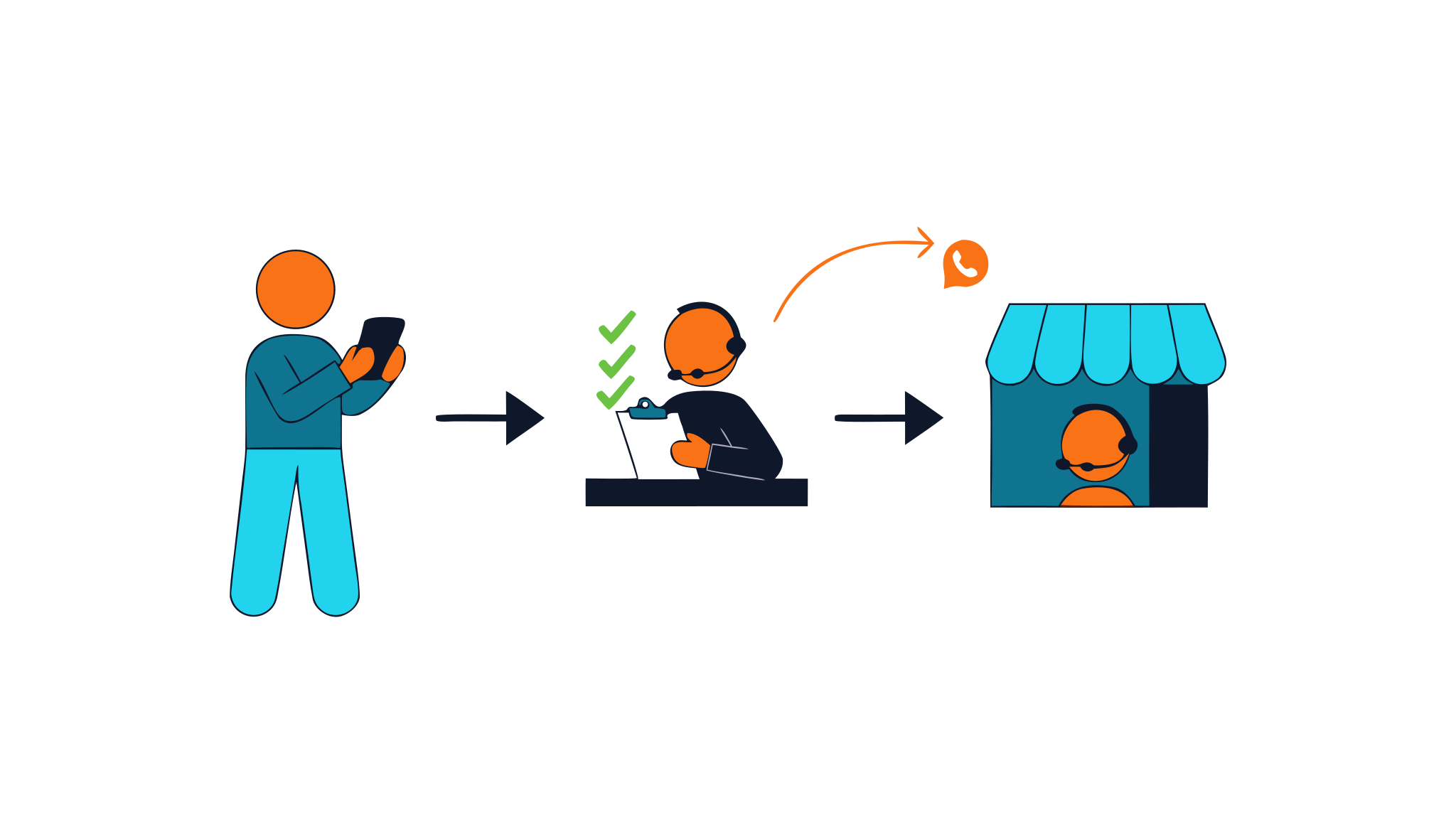
A live transfer adds a middle step: an agent talks to the consumer first. That agent may answer a call that came from an ad, or may contact the consumer after a form fill or an earlier enquiry. Once the consumer fits the buyer's criteria, the agent passes the call over, ideally with a short introduction so the consumer does not have to start again.
- What the buyer pays for: a qualified transfer that connects and stays on the line past a minimum length.
- Where it works: categories where the buyer wants people pre-screened for age, location, coverage, debt level or similar, and does not want to spend time on those who do not fit.
- What the seller controls: the script, the screening questions and the timing of the handoff. That is more control than an inbound call, and more responsibility.
- Main risk: it needs trained people, so quality varies with the agents, and when the agent contacts the consumer instead of the other way round, the consent rules apply in full.
A live transfer is not a different kind of phone line. On many networks the transferred call still arrives through a tracking number, and the offer's own terms say whether a call must be a live, real-time transfer and which ways of reaching the consumer are allowed.
Leads
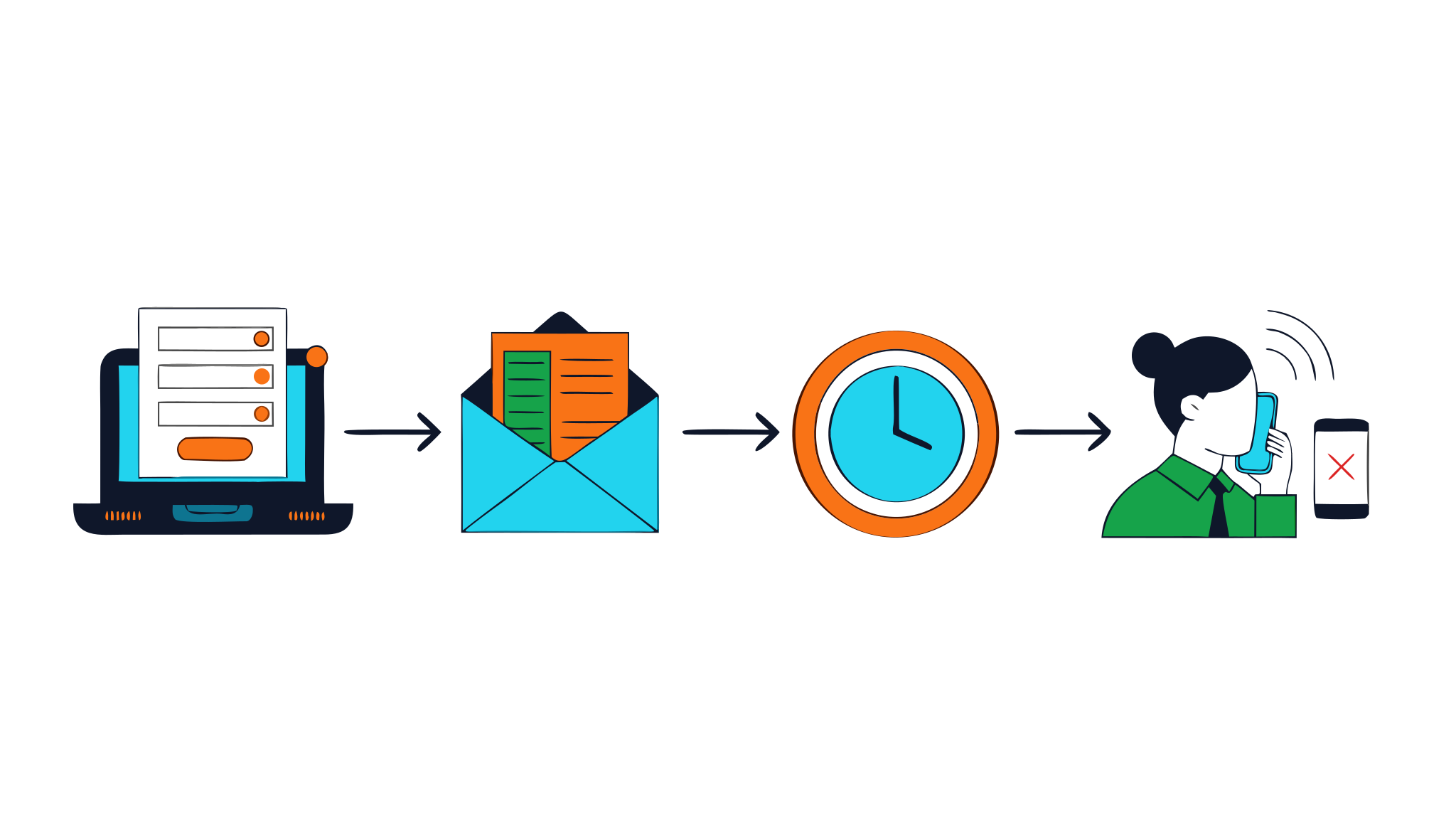
A lead is the consumer's details, delivered after a form fill. Nobody speaks to the consumer at that moment, so the buyer has to reach them afterwards.
- What the buyer pays for: a valid submission that meets the criteria, such as a real contact, the right area and a complete form. A lead is sold either exclusively to one buyer or shared among several.
- Where it works: decisions people are comfortable starting online, such as comparison shopping, quotes and applications.
- What the seller controls: the page, the form and the traffic. Volume is easier to scale than calls, because forms can be filled at any hour.
- Main risk: the gap. Time passes between the form and the first call, and many consumers do not answer. Forms can also be faked, and the same person can be submitted twice.
Leads are the cheapest of the three to produce and the least certain to turn into a conversation, which is why they are generally priced lower per unit than a connected call.
The three side by side
| Model | Who makes first contact | A person is on the line | What the buyer pays for | Main risk |
|---|---|---|---|---|
| Inbound call | The consumer | Yes, with the buyer | A call that meets the offer's rules | Calls that do not qualify or are not answered |
| Live transfer | An agent, then the buyer | Yes, after a handoff | A qualified call handed over live | Agent quality, and consent where the agent makes contact |
| Lead | The buyer, afterwards | No, not at first | A form submission that meets the criteria | Delay, fake or duplicate forms, and consumers who do not answer |
Prices differ between categories and between buyers, so no figure belongs in a table like this. What is consistent is the order: the more live the contact, the more a buyer will generally pay per unit and the stricter the rules tend to be. Compare options by cost per customer won, not by price per unit.
Consent and compliance differ most
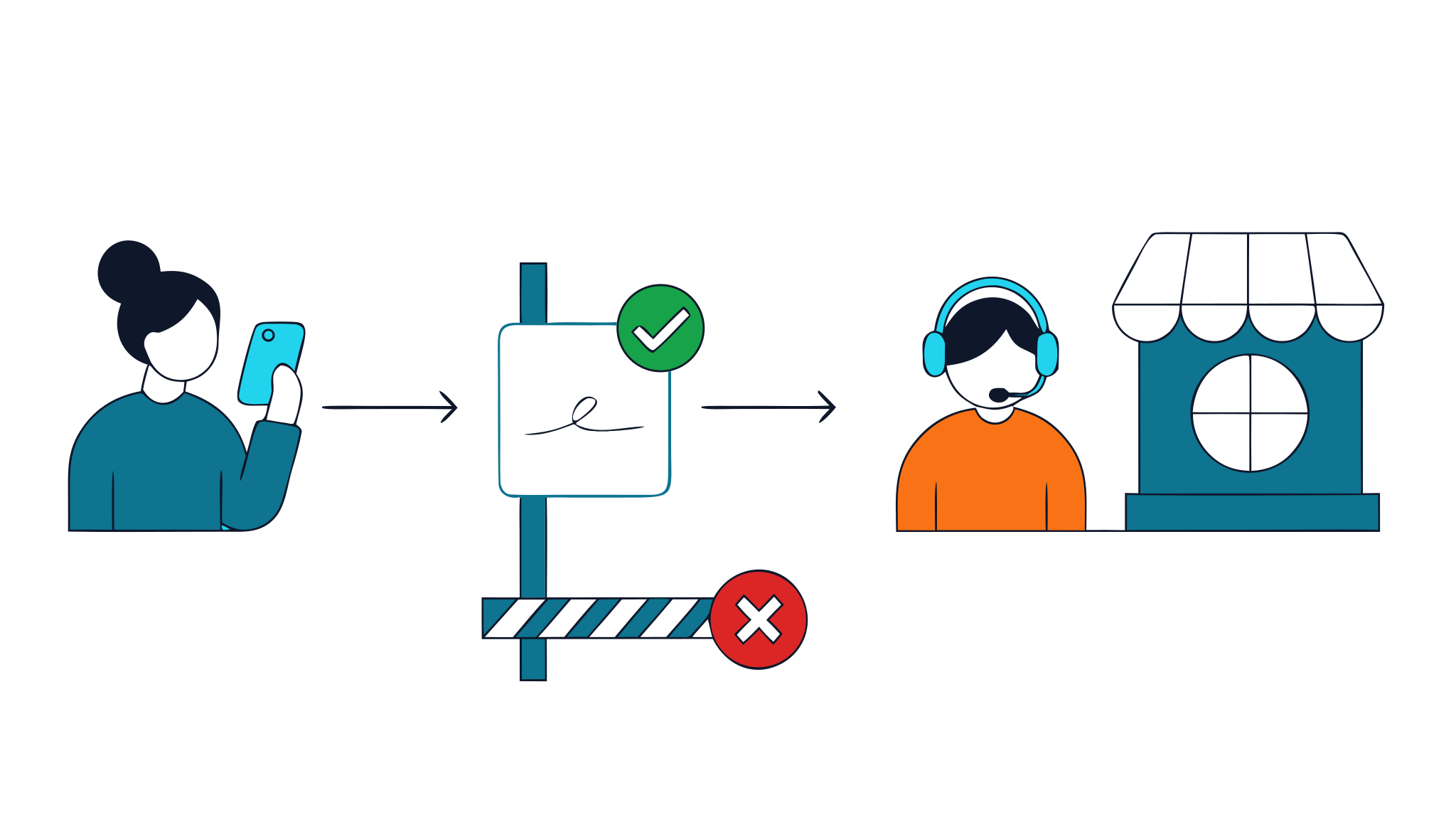
This is general information, not legal advice. The legal footprint is the biggest practical difference between the three.
- Inbound calls: the consumer made the contact. The main duties are honest advertising, approved claims, and lawful handling of call recording, which varies by state.
- Live transfers: if the agent contacts the consumer, the rules on calling and texting apply, including the Telephone Consumer Protection Act. Keep records of consent, and use only numbers and methods that the consent covers.
- Leads: the form is where consent is captured. The wording shown beside the submit button, and a record of it, is what a buyer or a regulator will ask to see later.
Many offers on LeadsRefer list prohibited traffic such as robocalls, SMS and email traffic, and outbound call centers. On those offers, a transfer that begins with the seller contacting the consumer is not permitted, however well that approach works elsewhere. Read the offer's terms before choosing a model, and see how to start as an affiliate for what the application asks about consent.
How to choose if you sell traffic
Match the model to what you can actually run:
- You publish content or run search ads that make people want to call: inbound calls fit, and need the least infrastructure.
- You run a call center with trained agents and valid consent, and the offer allows it: live transfers can fit.
- You run forms and comparison pages: leads fit, but check that the buyer wants leads and not calls before you build anything.
Start with the model that needs the fewest moving parts. Inbound calls are the simplest to start, and the others add people, scripts or follow-up that you then have to manage.
How to choose if you buy
Match the model to how your team sells:
- Your team sells over the phone and can answer quickly: inbound calls.
- You want pre-screened people and have the capacity to take them live: live transfers.
- You have a follow-up process, a call-back team and can wait for results: leads.
Think about capacity before price. A live call that nobody answers is worth nothing, and a lead that nobody calls back within a reasonable time is worth very little. The buyer's guide covers answering well and measuring results.
Quality and fraud look different in each
- Inbound calls: duplicate callers, very short calls, callers from outside the area and incentivized traffic. The defences are a minimum length, geography checks, a repeat-caller window and call review.
- Live transfers: agents who transfer people who do not fit, or who connect and then drop the call. The defences are listening to a sample, a minimum duration and clear reporting of how each call ended.
- Leads: fake or recycled details, bots filling forms and the same person submitted many times. The defences are validation at submission, de-duplication and checking whether the contact answers.
Whatever the model, ask how the network checks quality. How LeadsRefer checks conversions is described on the features page.
How these models map onto LeadsRefer
- Pay-per-call offers pay for qualified inbound calls that arrive through a tracking number belonging to one affiliate on one offer. The qualification rules, such as minimum length and geography, are shown on each offer.
- Offers can also pay per lead or per sale, and an advertiser confirms those conversions with a server-to-server postback or a tracking pixel.
- Whether a call must be live and real-time, and which ways of contacting consumers are prohibited, is stated in each offer's terms, so you can check before you apply.
- Browse the live offers to see which models are available now, and read the network profile for the current payment terms.
Apply as an affiliate to work with them, or, if you buy, apply to buy calls.
Common mistakes
- Treating the three as interchangeable and comparing prices as if they bought the same thing.
- Buying leads and expecting the conversion of live calls.
- Starting a transfer program without written consent and a clear script.
- Skipping the offer's prohibited-traffic list.
- Not measuring the gap between a form fill and the first real conversation on lead campaigns.
Each of these comes from choosing a model by its name and not by how it actually reaches the consumer. Start from that, and the rest of the decision gets easier.
Frequently asked questions
- What is the difference between a live transfer and an inbound call?
- In an inbound call the consumer dials the business directly. In a live transfer an agent talks to the consumer first, qualifies them, and then passes the call to the buyer while the consumer is still on the line. A live transfer adds a screening step, and with it more control and more responsibility for the seller.
- Is a live transfer the same as a warm transfer?
- The terms are often used interchangeably. A warm transfer usually means the agent introduces the consumer to the buyer before leaving the line. Companies define them differently, so check how a buyer defines the transfer it is paying for, in writing, before you start.
- Why are leads usually cheaper than calls?
- Nobody is on the line when a lead is created, and the buyer has to reach the consumer later, when many people do not answer. A connected call puts a real conversation in front of the buyer straight away, so it is generally worth more per unit. Compare cost per customer, not price per unit.
- Do live transfers need consent?
- If the agent contacts the consumer, yes: the rules on calling and texting, including the Telephone Consumer Protection Act, apply, and consent should be documented. If the consumer calls in, the contact is theirs, but honest advertising and lawful call recording still matter. Ask a lawyer who knows your category.
- Which is best for a new affiliate, leads, live transfers or inbound calls?
- Inbound calls are usually the simplest to start with, because they need no call center and no follow-up process. Live transfers need trained agents and documented consent, and leads need forms and a buyer that wants them. The right choice also depends on what the offer allows.
- Does LeadsRefer take live transfers?
- Calls on LeadsRefer arrive through tracking numbers, and each offer's terms state whether a call must be live and real-time and which ways of contacting consumers are prohibited. Many offers prohibit outbound call centers, robocalls and SMS, so a transfer that starts with outbound contact is not allowed on those. Check the specific offer before you apply.
Keep reading
- What is pay per call? A plain-English guide for affiliates and advertisersPay per call explained: how it works, who pays whom, what makes a call qualified, how payouts are set, and how to start as an affiliate or an advertiser.
- Pay per call marketing: a buyer's guide for advertisersHow to buy phone calls from affiliates: set a payout, write fair call rules, answer well, measure what matters, and avoid fraud and compliance trouble.
- How to start in pay per call as an affiliate: from sign-up to your first payoutA step-by-step guide to becoming a pay per call affiliate: sign up, get approved, apply to offers, get your tracking number, run traffic and get paid.
Ready to start?
Browse the live offers to see each payout, geography and call rule, then apply as an affiliate. If you buy calls, apply as an advertiser.