
Guide
Pay per call marketing: a buyer's guide for advertisers
By the LeadsRefer team · Updated October 7, 2026 · 11 min read
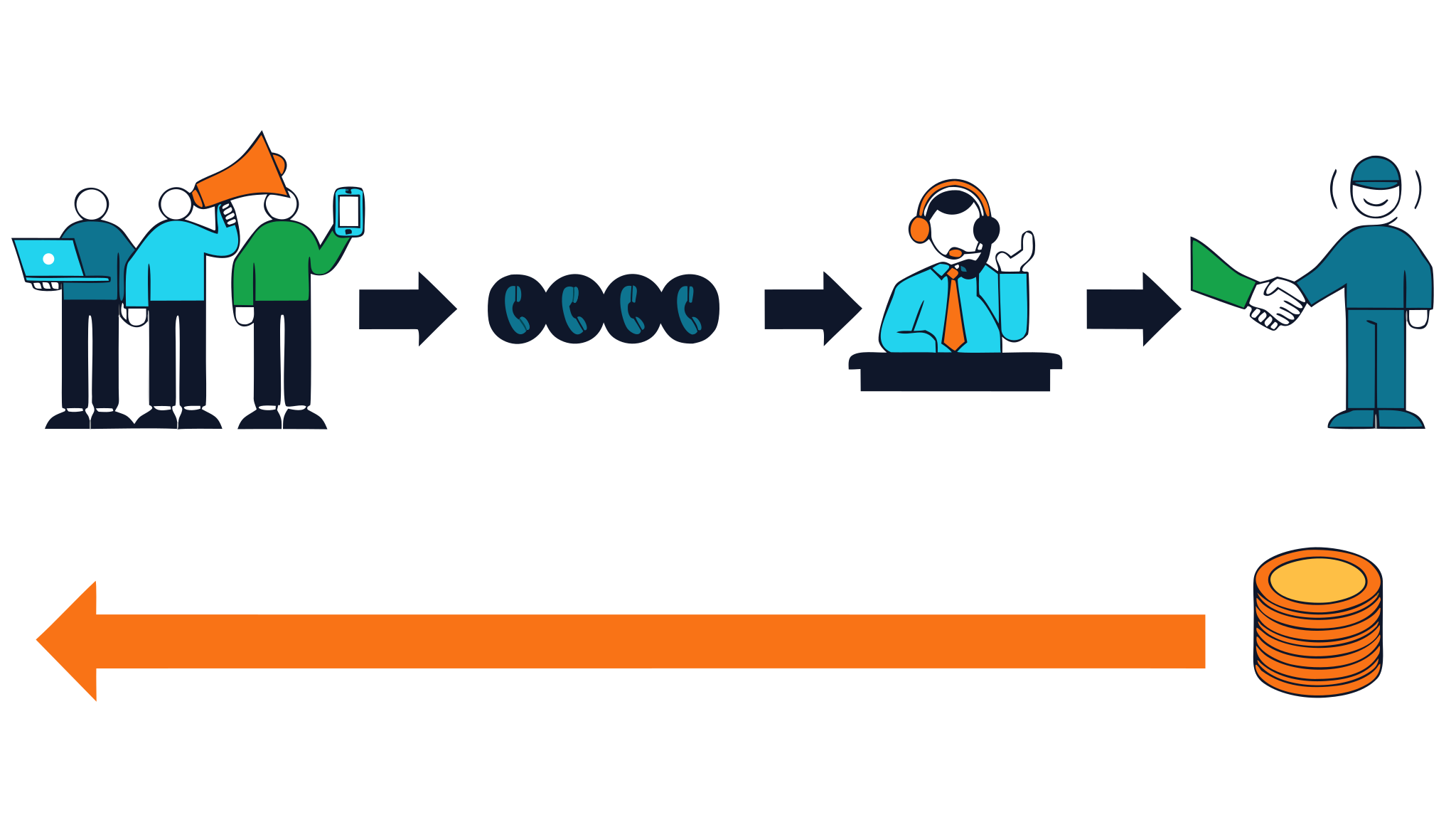
Pay per call marketing means paying for phone calls instead of clicks or form fills. You tell affiliates what a good call looks like, they send consumers who want your service, and you pay only when a call meets your rules. For a business that sells over the phone, it is one of the few ways to buy customers in the form you actually close them.
It is not hands-off, though. The calls land on your team, so how you set the payout, write the rules and answer the phone decides whether the programme works. This guide is written for the advertiser: what you are buying, what to prepare, how to price and qualify calls, how to measure results, and how to stay on the right side of fraud and compliance. If you are new to the model itself, start with what pay per call is.
What you are actually buying
You are buying a conversation with a consumer who chose to call you. That is different from a click, which only proves someone visited a page, and from a form, which only proves someone typed their details. A caller has already decided to talk to a person, which is why calls are valued most in categories where a conversation closes the sale.
What you pay for is defined by you. A billable call is one that meets the rules you set, usually a minimum length, a service area and your opening hours. Everything that does not meet them is free to you. That is the central difference from buying traffic: the risk of a bad call sits with the affiliate who sent it, as long as your rules are clear and fair.
- Inbound calls. The consumer dials a tracking number and is connected straight to your team.
- Qualified calls. Only calls that pass your rules are billed and paid out.
- Attributed calls. Every call is tied to the affiliate and the offer that produced it, so you can see which sources are worth keeping.
What to prepare before you buy
Most failed call campaigns fail on the advertiser's side of the phone, not the affiliate's. Before you launch, settle these:
- Who answers, and when. Calls arrive when consumers are ready, often outside a nine-to-five day. Decide your hours honestly and publish them in the offer, because calls outside them will not be answered.
- How many calls you can handle. Set daily and weekly caps that match your staffing, so a good week does not become a pile of unanswered calls.
- A call script or intake flow. Your team should know what to ask, what qualifies the caller and what happens next.
- A way to record the outcome. You will want to know which calls became customers, because that is the number that tells you what a call is really worth.
- A destination number that rings. Test it, including after hours and at busy times, before any traffic is sent.
If you cannot staff the phones, say so up front and start with a narrow window and a low cap. A small, well-answered campaign teaches you more than a large one that goes to voicemail.
How to set a payout
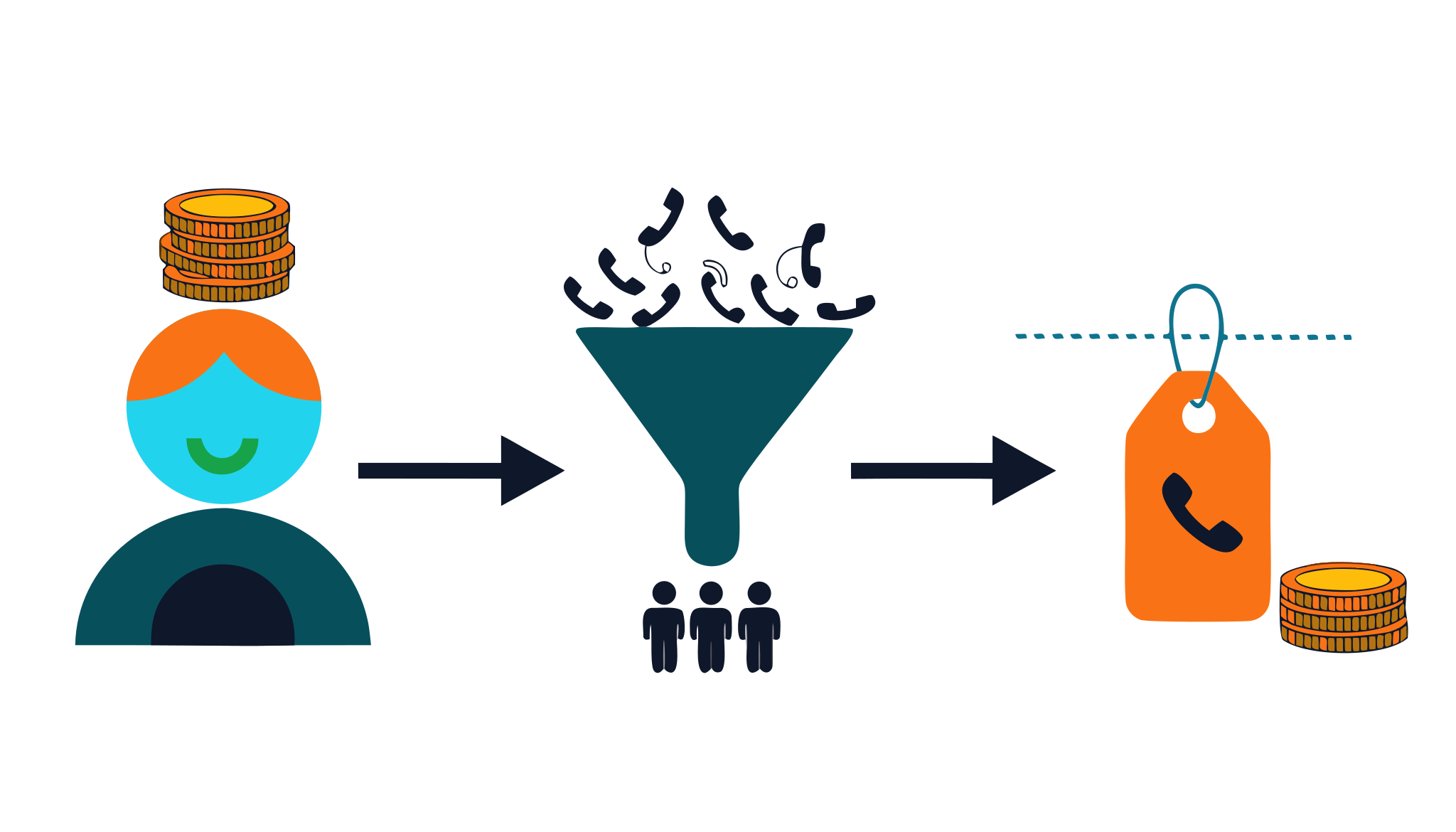
The payout is the most visible number on your offer, and affiliates compare it with every other offer they could promote. Set it from your own economics, not from a guess about what competitors pay. Work backwards from what a customer is worth to you:
- Estimate the value of a new customer in your business, after your own costs of serving them.
- Estimate the share of qualified calls that turn into a customer. Use your own numbers, from your own phones, not an industry average.
- Multiply the two. That is roughly what a qualified call is worth to you, and the ceiling for what you can pay for one and still make money.
- Choose a payout below that ceiling, leaving room for your own handling costs and for the calls that do not convert.
A payout set too low gets ignored by serious affiliates, and a payout set too high loses money on every call. Start where the arithmetic works, watch how calls convert, and adjust. Because a payout is a rate, not a promise, publishing it commits you only to calls that meet your rules. Strict rules usually go with a higher payout, because fewer calls qualify.
How to write fair call rules
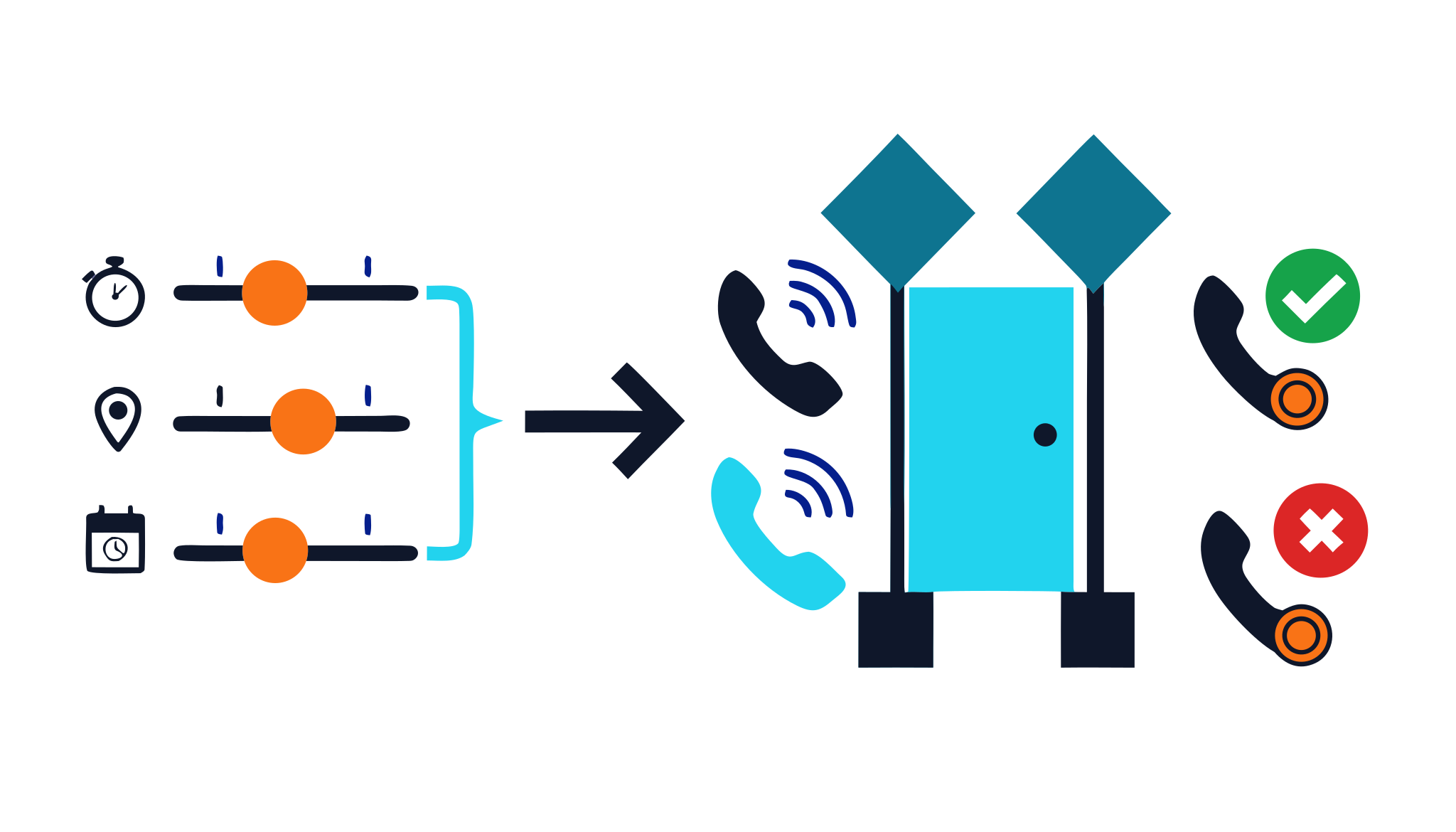
Your rules decide what you pay for, so they need to match how real calls go. A rule that is too loose lets in wrong numbers and hang-ups. One that is too tight rejects good calls and teaches affiliates to stop sending you traffic.
- Minimum duration. Pick a length that real conversations in your category comfortably pass. Set it by listening to genuine calls rather than guessing.
- Geography. List the states or areas you serve. Calls from outside them are worthless to you and should not be paid for.
- Hours. Match the schedule your team actually works.
- Caps. Daily, weekly and monthly limits keep volume inside your capacity.
- Repeat callers. The same person calling again should not be billed twice. A repeat-caller window handles this.
- Anything else you require, written plainly. If a caller must be a homeowner, an adult or a certain age, say it where affiliates will see it.
Publish the rules where affiliates can read them. Affiliates who understand the rules send calls that pass them, which is cheaper for everyone than arguing about rejected calls afterwards.
Choosing affiliates and traffic
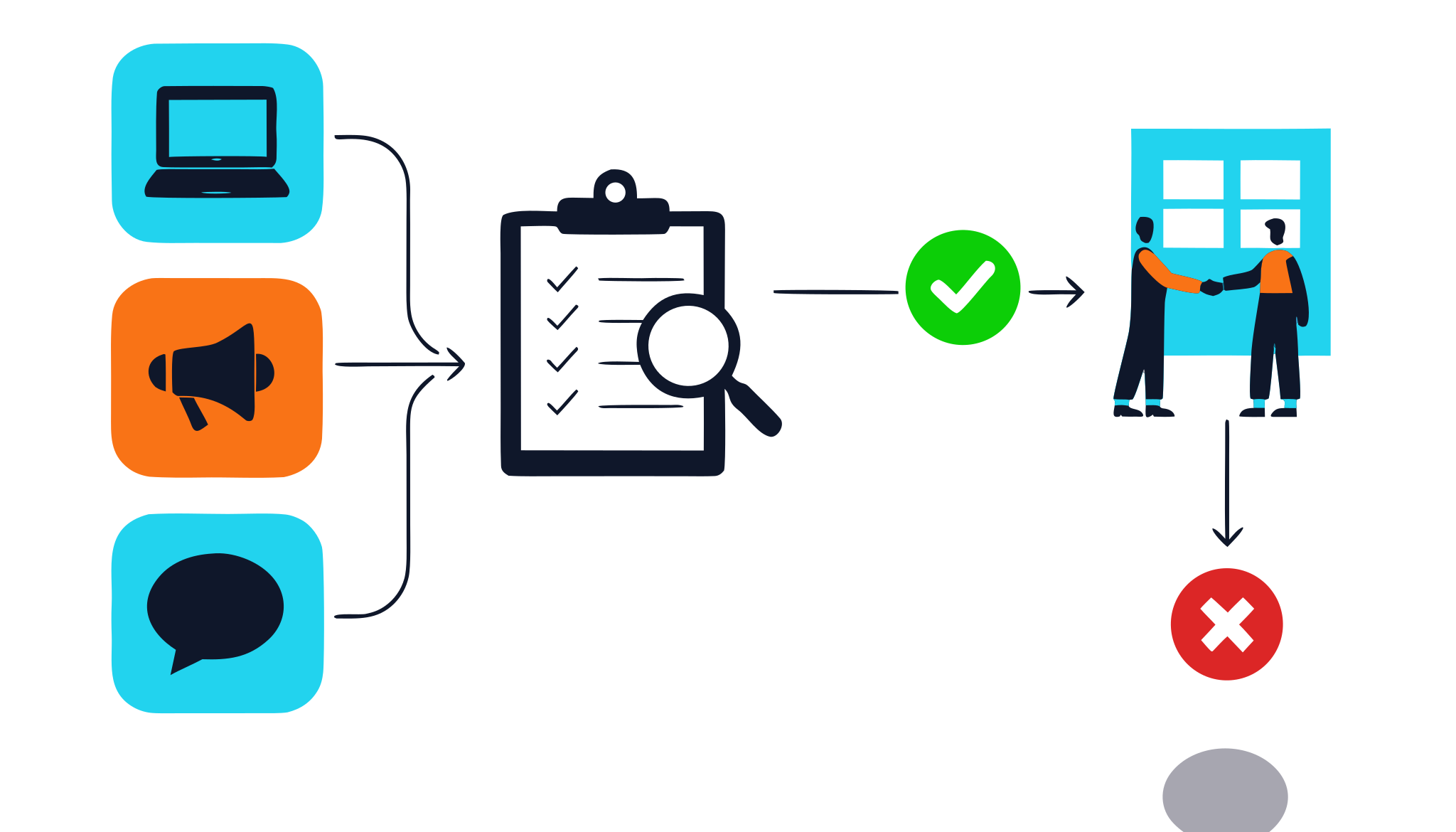
Who sends your calls matters as much as how much you pay. A reviewed network does part of this for you, but you should know what you want.
- Ask how an affiliate gets calls: content, search, social, local ads. Each source behaves differently and you will want to compare them.
- Look for affiliates who can describe their traffic and the claims they make in their ads. Vague answers are a warning.
- Be clear about what you do not accept: incentivised calls, calls from outside your area, claims you have not approved, or anything that impersonates an agency or a regulated body.
- Keep a short list of approved claims and creative, and review what is actually running, because it carries your name.
Exclusive calls, sent to you alone, are normally worth more than calls that are shared among buyers, and affiliates price them that way. Decide which you want before you set the payout.
Answering the calls well
A paid call is only valuable if someone answers it and handles it properly. This is the part of pay per call that advertisers most often underestimate.
- Pick up quickly. A caller who waits tends to hang up and call someone else.
- Greet callers in a way that matches the ad they responded to, so they know they have reached the right place.
- Keep the first minute focused on whether you can help, then on the next step.
- Make sure your team has the time to take the call properly. A rushed call does not convert and may not meet the duration rule.
- Tell affiliates what is working. Affiliates move their effort toward buyers who pick up and who share feedback.
If calls go unanswered, affiliates see falling quality and stop sending traffic. You pay nothing for a call that does not qualify, but you lose the supply of good ones.
Measuring what matters
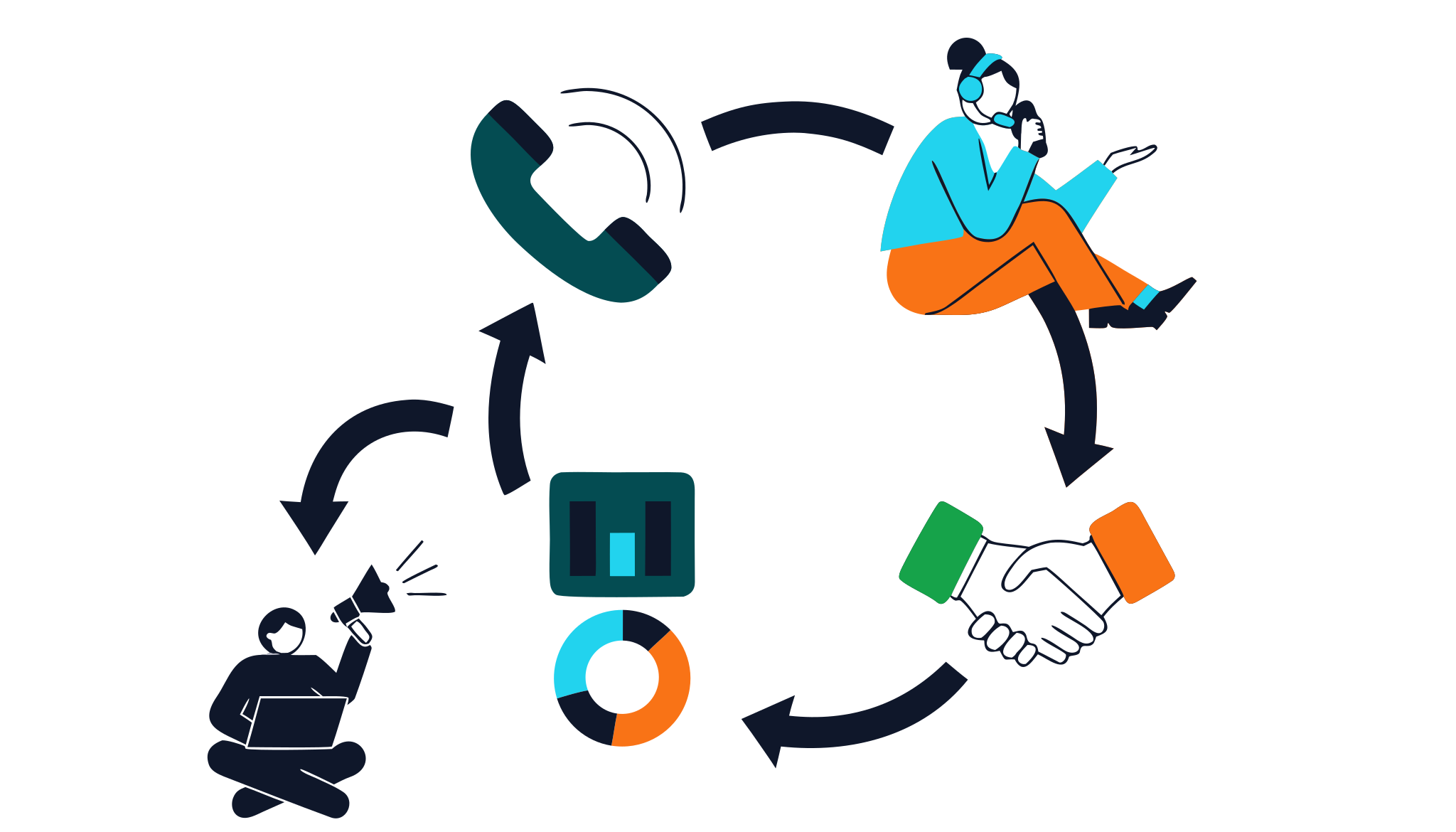
Judge each campaign and each affiliate by what the calls produce for you, not by call volume. The numbers worth tracking are your own:
- How many calls qualify, and how many do not. A high rejection rate points to traffic that does not match your rules, or to rules that do not match real calls.
- How many qualified calls you answered. Missed calls are lost value you paid for in marketing.
- How many qualified calls became customers, by source. This is the number that tells you which affiliates to keep.
- What each customer cost you compared with what they were worth, using your own figures.
Report call outcomes back to the network and the affiliate where you can. The more an affiliate knows about which calls closed, the better they target. On LeadsRefer, every call appears in your reports with the affiliate and offer it came from.
Fraud and call quality
Any performance model draws abuse. In pay per call it usually looks like this:
- Duplicate calls from one person to collect more than one payout.
- Calls held open just long enough to pass the minimum duration.
- Calls from outside your area, or from spoofed or automated numbers.
- Traffic that was paid for or incentivised rather than genuinely interested.
Defences are your qualification rules, caps and a repeat-caller window, plus review of the calls themselves. Ask any network how it filters bad traffic before you buy from it. On LeadsRefer, conversions are checked for duplicates, impossible timing, IP rules, geography and device targeting and caps, and a campaign can hold conversions for manual review before they become payable. The features page describes the checks.
Compliance, which you share
This is general information, not legal advice. As the advertiser, you are responsible for how your business handles calls, whoever sent them.
- Call recording. Laws differ by state, and some require every party to consent. Recording is off by default for each campaign on LeadsRefer, and is only enabled where you have confirmed lawful consent.
- Advertising claims. Approve the claims affiliates may use, and do not allow promises you cannot keep or impersonation of a government body, insurer or agency.
- Licensing and category rules. Insurance, debt relief, tax relief and similar categories carry licensing and marketing rules of their own. Make sure the people answering are permitted to.
- Contacting consumers. Rules such as the Telephone Consumer Protection Act apply to calls and texts you make back to a consumer. Keep records of consent.
Ask a lawyer who knows your category before you launch, and write your requirements into your offer so affiliates know them.
How buying calls works on LeadsRefer
- You apply as an advertiser, and every application is reviewed by hand.
- You choose how to pay: prepay a balance, or buy on invoiced terms within an approved credit limit. The current payment terms are on the network profile, which reads them from live configuration.
- You submit a campaign with its payout, geography and call-qualification rules. Campaigns are reviewed before traffic goes live.
- Each approved affiliate gets a dedicated tracking number for your offer, so every call is attributed.
- You are billed when a call meets your rules, and every call appears in your reports.
- Call recording is off unless you confirm lawful consent.
Buying calls on LeadsRefer shows the process and the verticals with live campaigns today.
How to get started
- Decide what a customer is worth and what you can pay for a qualified call.
- Settle your hours, capacity and script, and test the destination number.
- Apply to buy calls and wait for the review.
- Submit a campaign with a payout and clear rules, and keep the first volume modest.
- Review the calls, tune the rules and payout, and give affiliates feedback.
If you would like to talk it through first, get in touch.
Common mistakes
Advertisers tend to go wrong by:
- Setting a payout from a guess rather than from what a customer is worth.
- Writing rules that do not match how real calls go, then rejecting calls that were reasonable.
- Not answering, or answering slowly, and then wondering why quality fell.
- Launching at a size the team cannot staff.
- Not telling affiliates what is working, so traffic never improves.
- Leaving compliance to the affiliate.
Affiliates tend to go wrong in the mirror image of these. Both sides do better when the rules are clear, the calls are answered and feedback flows both ways.
Frequently asked questions
- What is pay per call marketing?
- A way of buying customers by phone: an advertiser pays for each call that meets its rules, from a consumer who found it through an affiliate's traffic. You do not pay for clicks or for calls that fail your rules.
- How much should I pay per call?
- Work backwards from what a new customer is worth to you and the share of qualified calls that become customers, using your own figures. That gives the most you can pay and still profit. Pay below it, and adjust once you see how your calls convert.
- What makes a call billable?
- Only a call that meets the rules you set on the campaign, such as a minimum length, the caller's location and your hours. A repeat call from the same caller to the same offer within the repeat-caller window is not billed again.
- Do I pay for calls that do not qualify?
- No. You are billed when a call meets your rules. That is why the rules should be clear and published, so affiliates know what you will and will not pay for.
- Are the calls recorded?
- Recording is off by default for each campaign on LeadsRefer. It is enabled only where you have confirmed lawful consent, including in states that require every party to agree.
- How do I stop fake or duplicate calls?
- Use clear qualification rules, daily and weekly caps and a repeat-caller window, and review the calls. Conversions on LeadsRefer are also checked for duplicates, impossible timing, IP rules, geography and device targeting.
Keep reading
Ready to start?
Browse the live offers to see each payout, geography and call rule, then apply as an affiliate. If you buy calls, apply as an advertiser.