
Guide
Pay per call affiliate networks and programs: how to compare them and choose
By the LeadsRefer team · Updated October 7, 2026 · 9 min read
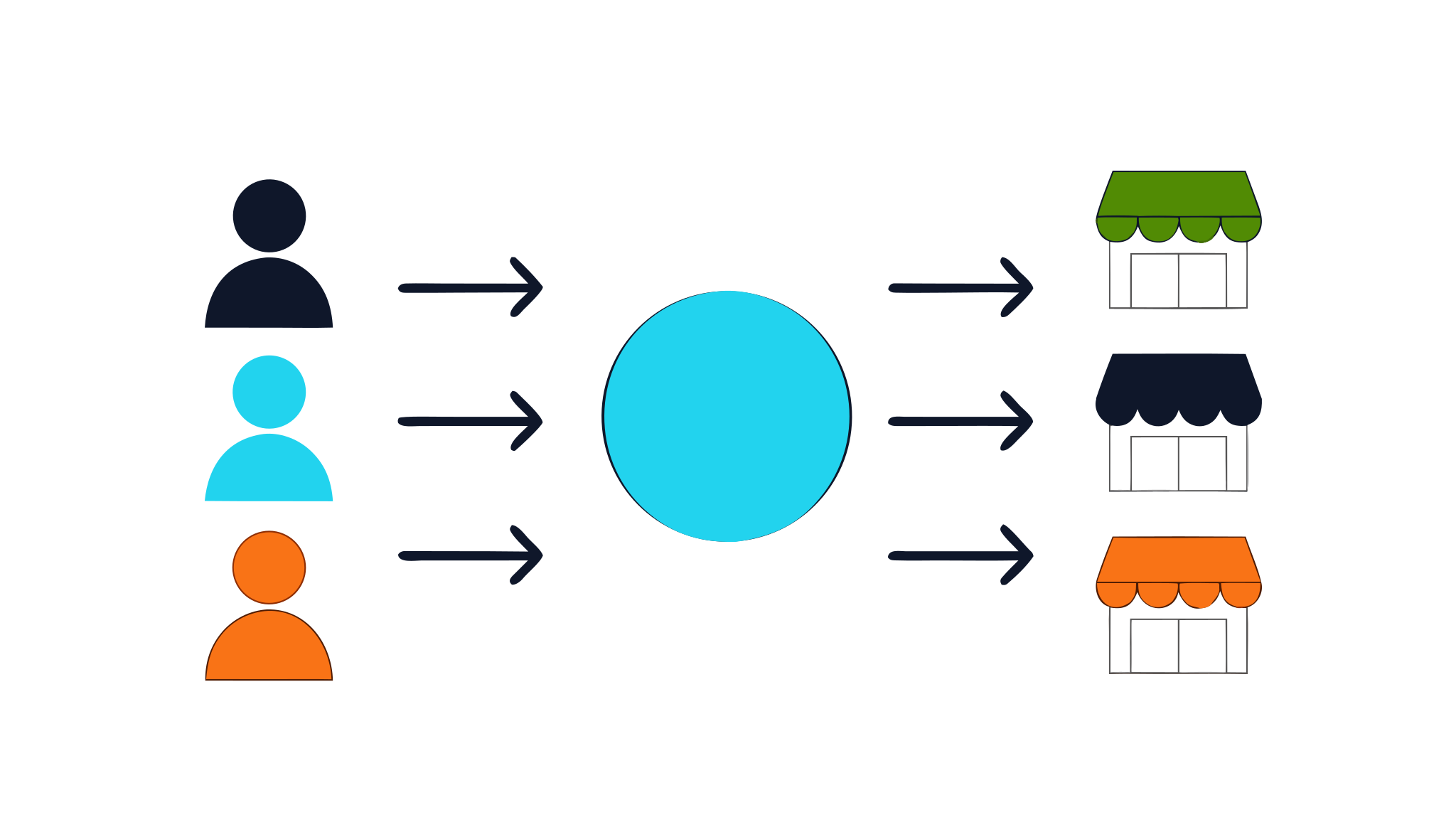
Searching for pay per call affiliate programs turns up three different kinds of thing that are often mixed together: networks that connect many affiliates with many advertisers, programs that a single advertiser runs for itself, and software platforms you license to run your own call tracking. They solve different problems, and choosing the wrong kind is a more expensive mistake than choosing the wrong company.
This guide explains the difference, what a network actually does for you, and a list of questions to put to any company before you send it a single call, including us. It does not rank companies. Terms change, and the only comparison you can rely on is one you make yourself from each company's current written terms. If the model is new to you, start with what pay per call is.
Networks, programs and platforms: three different things
- A network is a marketplace. Many advertisers list offers, many affiliates apply to them, and the network sits in the middle. It approves affiliates, issues tracking numbers, measures and checks the calls, bills the advertiser and pays you. You deal with one company, one payout and one dashboard, whichever advertiser the calls go to.
- A direct program is run by a single advertiser, often one with its own call center. You work with that company only. There may be no middleman, but you carry the risk of one buyer's rules, capacity and payment habits, and you track and report in whatever system they use.
- A platform is software. Call tracking and analytics platforms let a business that already has buyers route, record and report on calls. They are tools, not a source of offers, so on their own they give an affiliate nothing to promote.
Most people starting out want a network, because it supplies offers, tracking and payment in one place. Direct programs make more sense once you have steady volume in one vertical, and platforms once you are running your own buyers.
What a network does for you
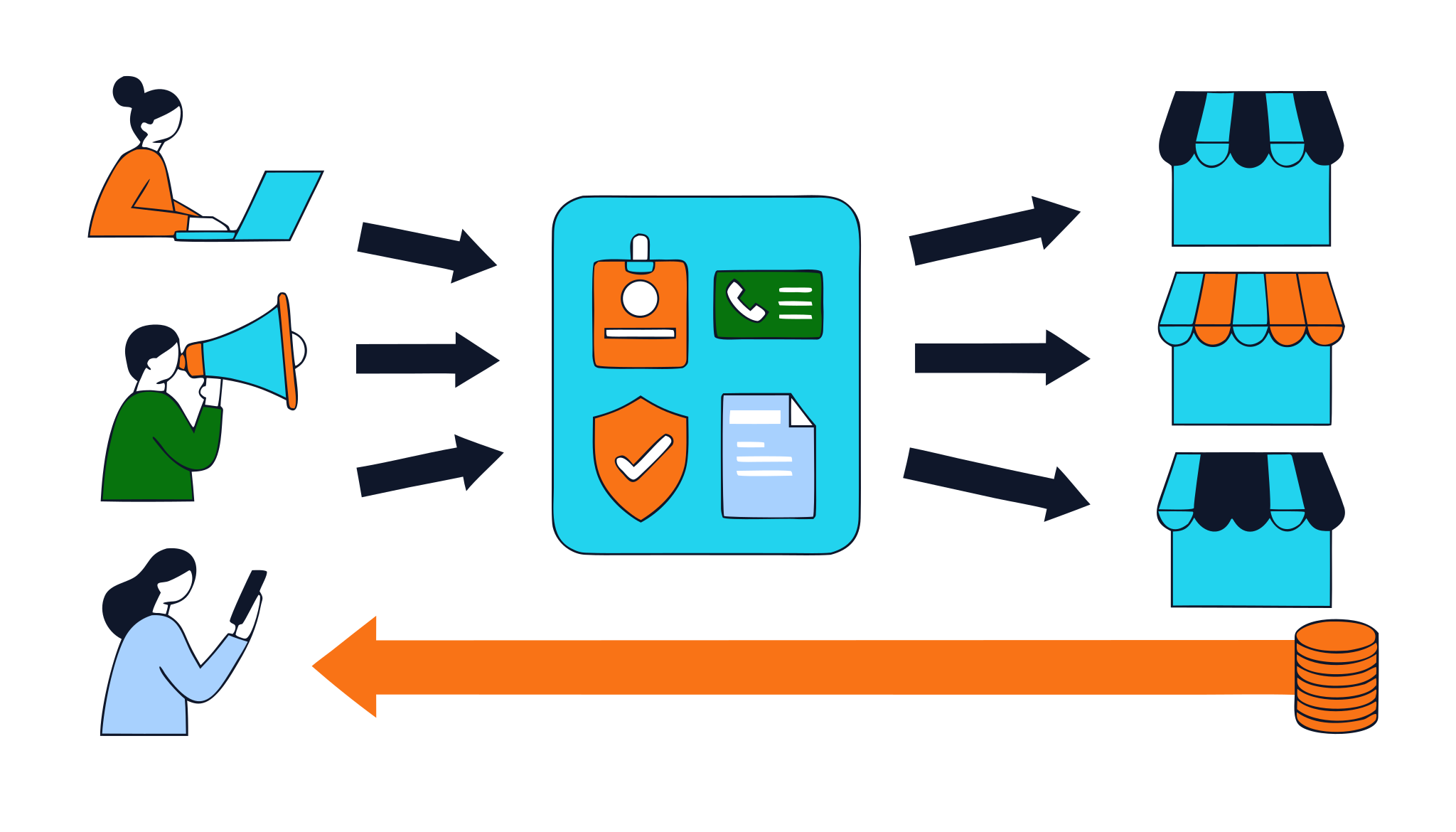
- It vets affiliates and offers, so advertisers are not buying from anyone who asks and you are not promoting offers nobody has looked at.
- It issues tracking numbers and attributes every call to you, so you are credited without relying on cookies or a particular website.
- It applies each offer's qualification rules, such as minimum length and geography, and decides what is billable.
- It checks for fraud, such as duplicate callers, spoofed numbers and incentivized traffic.
- It bills the advertiser and pays you, so you do not chase each advertiser separately.
- It reports what happened, so you can see which sources bring calls that qualify.
In return, networks generally earn a margin between what the advertiser pays and what you are paid. That is normal and not a hidden cost, but the rate shown for an offer should be the rate you are actually paid. If it is not, ask why.
What to compare
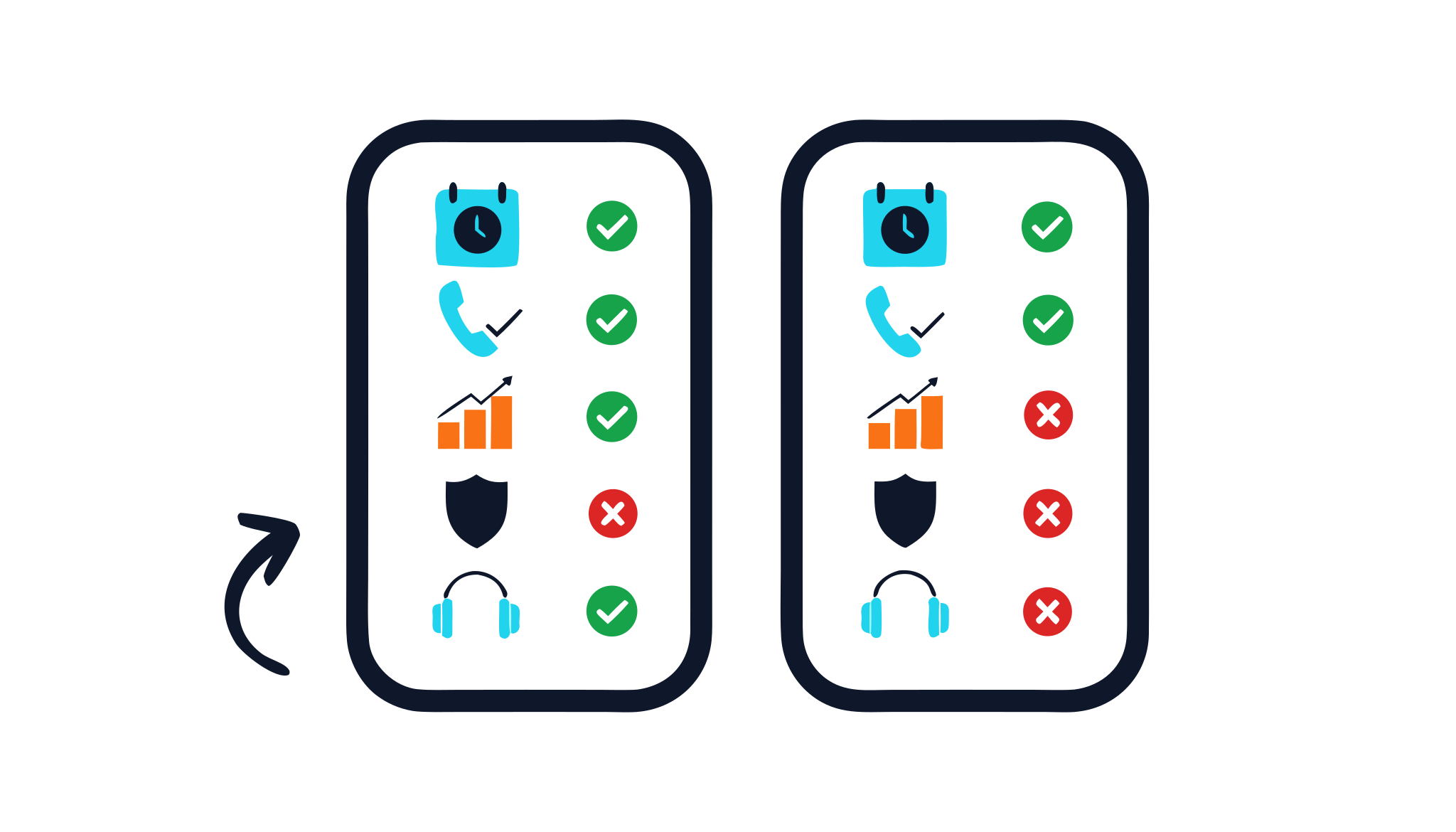
Use the same list for every option, so the answers can be compared, and write the answers down.
- Offers you can verify. Are the offers and their rules visible before you sign up? A catalogue you can read on a public page is easier to trust than a list you only see after an application.
- Payment terms. How long after a call is it payable, what is the minimum balance for a payout, how often is it paid, and by which methods? These should be written, not described on a call.
- Qualification rules. What makes a call billable: minimum length, geography, hours, repeat callers? Is the rule shown per offer?
- Disputes. If a call is rejected, can you see why, and is there a way to question it?
- Reporting. Can you see every call, including those that did not qualify, with a status and a source?
- Fraud and quality controls. How does the network treat duplicate, spoofed or incentivized calls? A network that cannot explain this puts both you and its advertisers at risk.
- Approval process. Is your traffic reviewed by a person, and are you told what to change if you are declined?
- Support and compliance help. Is there someone to ask, and does the network tell you what consent and disclosure it expects on regulated offers?
No network will be strongest on every line. Decide which two or three matter most for your kind of traffic and weigh those.
Get the terms in writing before you send traffic
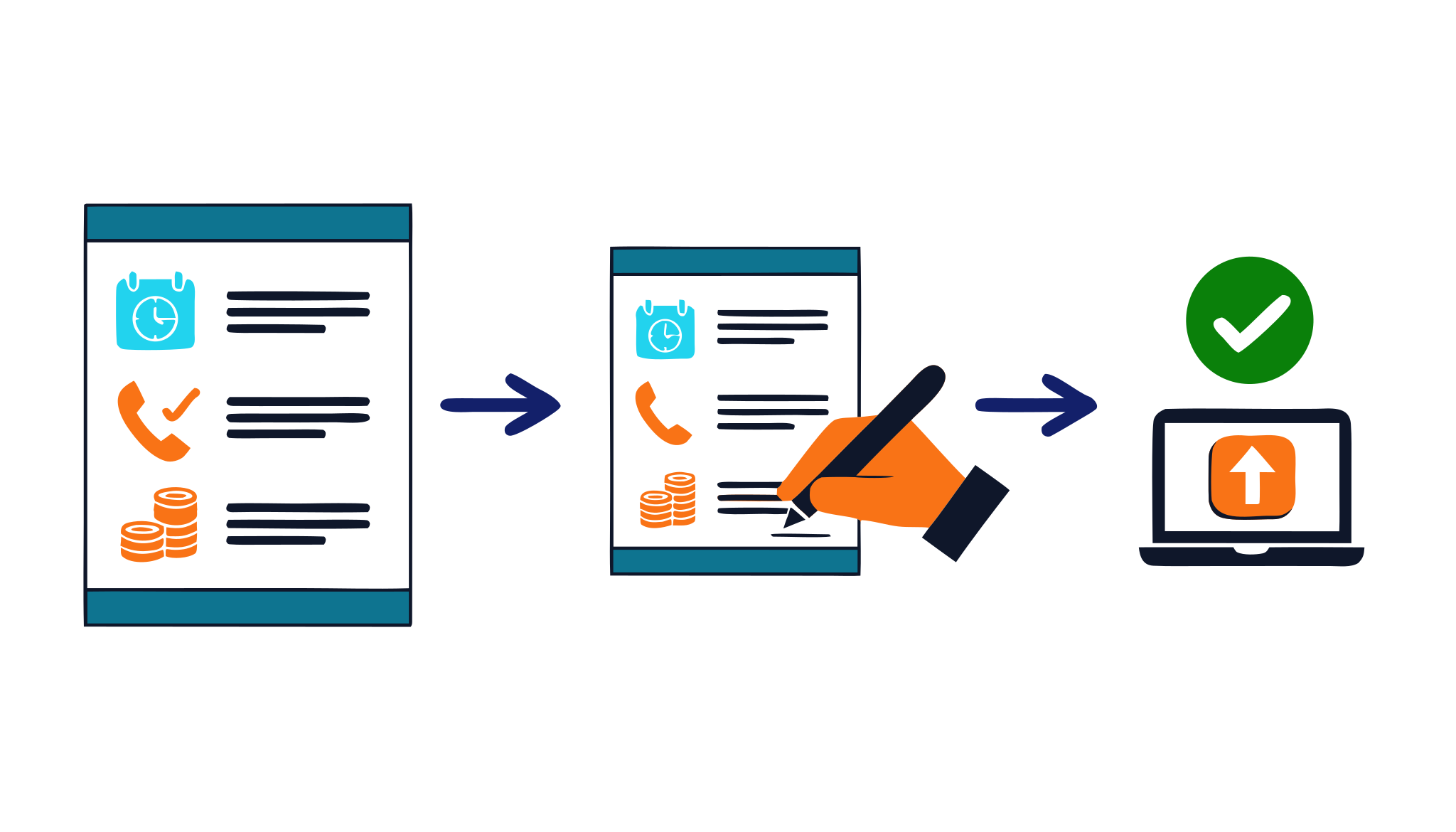
Most disputes between affiliates and networks are about something that was said and never written down. Before you send traffic, make sure you have in writing:
- The payout for each offer you will run, and what makes a call qualify.
- The payment window, the minimum balance and the payment methods.
- What happens to calls that are rejected or held for review.
- Whether payouts can be adjusted afterwards, and in what circumstances.
- The rules on traffic: what is prohibited and what needs approval first.
Then check the terms against how the network behaves. If the published terms and your dashboard disagree, ask which is correct before you spend, and expect a clear answer.
Red flags
- Income promises. An honest network can tell you a rate. It cannot tell you your income, because that depends on your traffic.
- Terms that are vague, or that only arrive by message after you have signed up.
- Pressure to deposit money or buy something before you can promote.
- No way to see rejected calls, or why they were rejected.
- Unusually high rates with no stated qualification rule.
- No contact details, or no reply to a simple question before you sign up.
One red flag is a reason to ask a question. Several are a reason to walk away.
Test with a small volume first
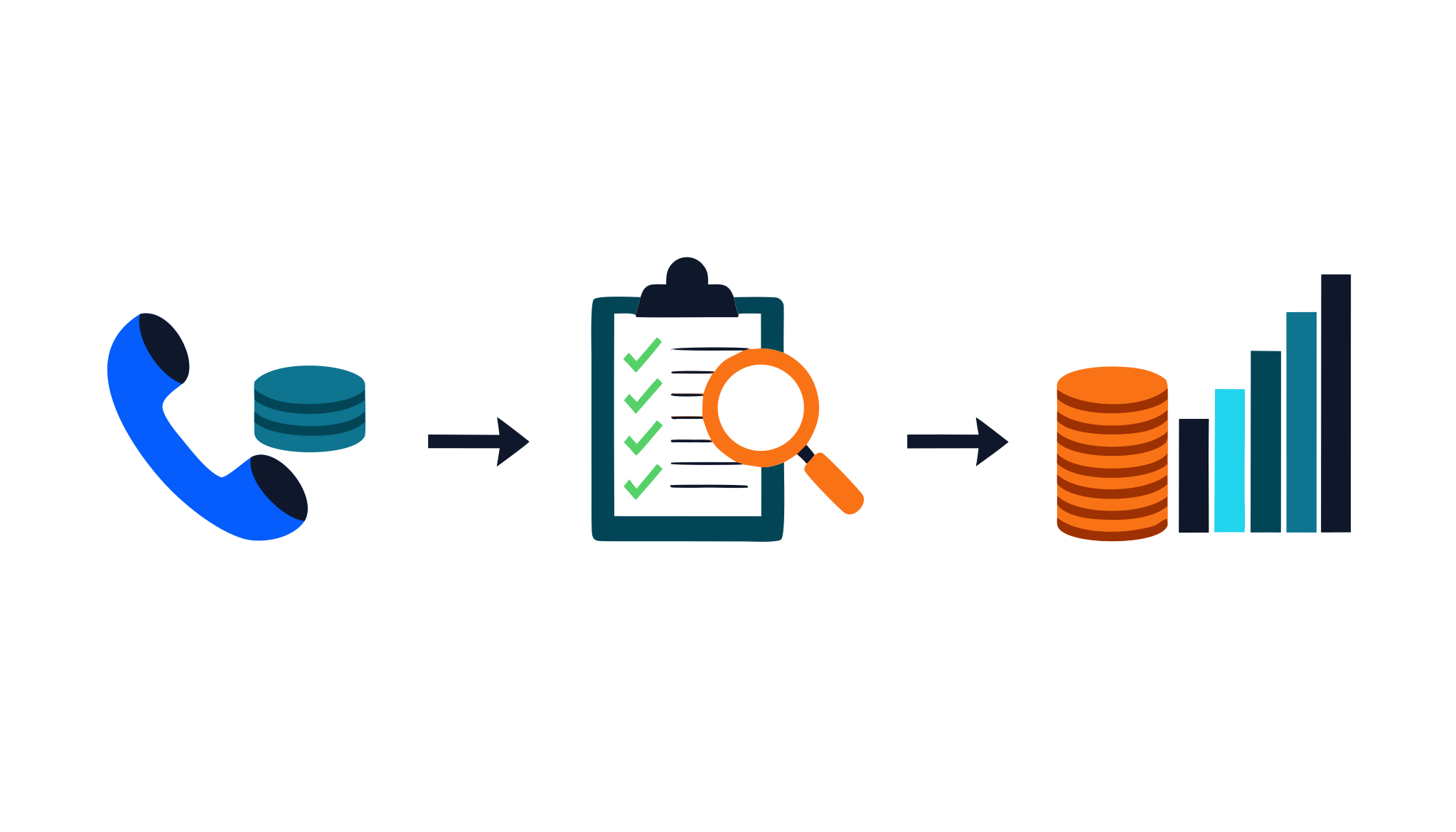
- Pick one offer and one traffic source.
- Send a small volume: enough to see how calls are classified, not so much that a miss hurts.
- Review every call, qualified or not, and compare the network's numbers with your own.
- Check that the first payment arrives when the terms say it should.
- Scale only after you have seen both the calls and the payment behave as promised.
A network that makes this hard, for example by not letting you see calls that did not qualify, has told you something.
When a direct program makes sense
- You have steady volume in one vertical and want to deal with the buyer yourself.
- The advertiser has the capacity to take your calls and a record of paying on time.
- You can handle your own tracking and reporting, or the advertiser provides them.
- You are comfortable depending on one buyer's rules and one buyer's cash flow.
Many affiliates use both: a network for variety and testing, and direct programs for the verticals where their volume is established.
How LeadsRefer measures up to this list
We are a network, so we should be judged by the same list. Here is what you can check for yourself, without signing up:
- Offers are public. The offers page lists every live offer with its payout, geography and payment terms, and the verticals page shows which categories have live offers.
- Payment terms and the minimum payout are published on the network profile, which reads them from live configuration, so they cannot drift from what the system does.
- Rules are per offer. The qualification rule, geography and prohibited traffic are on each offer, and you read them before you apply.
- Every account is reviewed by hand, and then each offer application is reviewed separately. A rejection shows the reviewer's note, so you know what to change.
- Your dashboard shows every call, qualified or not, with its status.
- Conversions are checked for duplicates, impossible timing, IP rules, geography and device targeting and caps, and a campaign can hold conversions for manual review before they become payable. The features page describes the checks.
- Payouts are made by PayPal, Wise or bank transfer.
If that matches what you need, apply as an affiliate and start with one offer and a small volume, as above. If it does not, the list in this guide works for any other network. A step-by-step walkthrough of our own process is in how to start in pay per call.
Common mistakes
- Choosing by the headline rate and not by the qualification rule and the payment terms.
- Joining several networks at once and spreading a small volume thin, so none gives you a clear result.
- Skipping the written terms because the sign-up was friendly.
- Not testing, then scaling on the strength of a sales conversation.
- Confusing a call tracking platform with a network, and expecting offers from software.
Each of these is cheaper to avoid than to fix. A list, a small test and the terms in writing cover most of them.
Frequently asked questions
- What is the difference between a pay per call network and a direct program?
- A network is a marketplace with many advertisers and many affiliates, which handles approval, tracking, billing and payment for all of them. A direct program is run by one advertiser, and you deal with that company only. Networks give you variety and one payout. Direct programs give you a closer relationship with one buyer and more dependence on it.
- Which is better for a beginner, a network or a direct program?
- Usually a network, because it supplies offers, tracking and payment in one place and lets you test more than one vertical without opening several accounts. Direct programs tend to suit affiliates who already have steady volume in one category.
- Do pay per call networks charge affiliates a fee?
- Typically a network earns a margin between what the advertiser pays and what you are paid, so the rate shown for an offer is the rate you receive. Some charge other fees, so ask and get the answer in writing before you start.
- How can I tell whether a network is trustworthy?
- There is no single sign. Look for written, public terms, offer rules you can read before applying, a dashboard that shows every call and why a call was rejected, a way to reach a person, and a small test that pays on the date the terms say. Be wary of income promises and of pressure to pay before you promote.
- Can I work with more than one network?
- Usually yes, though exclusivity rules differ, so check each network's terms. It is easier to learn from one network and one offer first, then add others once you know what your traffic produces.
- Is a call tracking platform the same as an affiliate network?
- No. A platform is software that routes, records and reports on calls for a business that already has buyers. A network is a marketplace that supplies the offers, tracking and payment. An affiliate who needs something to promote needs a network or a direct program, not a platform.
Keep reading
- How to start in pay per call as an affiliate: from sign-up to your first payoutA step-by-step guide to becoming a pay per call affiliate: sign up, get approved, apply to offers, get your tracking number, run traffic and get paid.
- What is pay per call? A plain-English guide for affiliates and advertisersPay per call explained: how it works, who pays whom, what makes a call qualified, how payouts are set, and how to start as an affiliate or an advertiser.
Ready to start?
Browse the live offers to see each payout, geography and call rule, then apply as an affiliate. If you buy calls, apply as an advertiser.